Key Takeaway:
The Iran war has triggered a major global oil supply shock, and because over 80% of Malaysia's electricity comes from fossil fuels, TNB bills for high-usage households (above 600 kWh/month) are set to rise as the AFA rebate narrows. Homeowners can protect themselves now by keeping usage under 600 kWh, shifting to off-peak hours, or going solar with panel prices rising 15% in April 2026, acting before the deadline locks in the best savings.
The ongoing war in Iran has sent shockwaves through global energy markets, and Malaysian homeowners are right to wonder what this means for their monthly electricity bills.
Brent crude oil prices have risen from around USD 70 to nearly USD 120 per barrel since the conflict began, a surge driven by the collapse of supply flows through the Strait of Hormuz. With Malaysia importing roughly 69% of its crude oil, the pressure on household energy costs has become a growing concern.
Here is what you need to understand about the link between the Iran war, rising oil prices, and your TNB electricity bill.
Why Malaysia's Electricity Grid Is Vulnerable to Global Fuel Shocks
Over 80% of Malaysia's electricity is generated from fossil fuels. When global fuel prices rise, the cost of generating electricity rises with it.
Since July 2025, TNB introduced the Automatic Fuel Adjustment (AFA) mechanism, which allows tariffs to better reflect real-time fuel costs. When global oil and gas prices spike, your TNB bill can go up within 30 days.
What the Iran War Has Done to Energy Markets
The International Energy Agency has assessed the current disruption as the largest supply shock in the history of the global oil market. Flows through the Strait of Hormuz have collapsed from 20 million barrels per day to a trickle, with Gulf production cuts of at least 10 million barrels per day compounding the shortfall.
For Malaysia, a net oil importer, this war feeds directly into the cost of keeping the lights on.
What This Means for Your Electricity Bill Right Now
At first glance, the numbers may seem reassuring. The AFA rate for March 2026 was set at -2.15 sen per kWh, meaning TNB is still providing a small rebate rather than a surcharge.
However, that rebate has already shrunk down from -2.77 sen per kWh in February. The direction of travel is clear: as long as the conflict persists and global fuel prices remain elevated, the rebate will continue to narrow. For many households, a surcharge is a matter of when, not if.
The Most Vulnerable: High-Usage Households
Not all households face the same level of risk. Domestic households consuming 600 kWh or below per month are fully exempt from the AFA charge, giving low-usage homes a meaningful buffer against global fuel price swings.
However, if your household falls into the higher-usage category, you will fill the impact directly. Your TNB bill now consists of five components:
- Generation charge: 27.03 sen/kWh (for usage under 1,500 kWh/month)
- Capacity charge: 4.55 sen/kWh
- Network charge: 12.85 sen/kWh
- Retail charge: RM10/month (waived for usage at or below 600 kWh)
- Monthly AFA rate
The first three components are all tied to fossil fuel generation costs meaning every global fuel price spike chips away at your bill multiple directions simultaneously.
To see exactly how a high-usage household managed to cut their bill significantly, read how a Selangor homeowner reduced his TNB bill by 74% with solar — going from RM 520 down to just RM 136 a month.
How to Protect Your Household From Rising Electricity Costs
Given the sustained uncertainty from the Iran conflict, Malaysian homeowners should act now rather than wait for bills to climb. Here are three practical steps:
1. Keep Monthly Usage Under 600 kWhMaintaining this threshold exempts you from both the AFA surcharge and the RM10 monthly Retail charge. Keep track of your biggest energy consumers (air conditioners, water heaters, and refrigerators) and consider upgrading to energy-efficient models over time.
2. Shift Usage to Off-Peak HoursTNB's Time-of-Use (ToU) scheme offers lower tariff rates during off-peak periods: before 2 PM or after 10 PM on weekdays, and all day on Saturday and Sunday. Running your washing machine, dishwasher, and water heater outside peak hours can make a noticeable dent in your monthly bill.
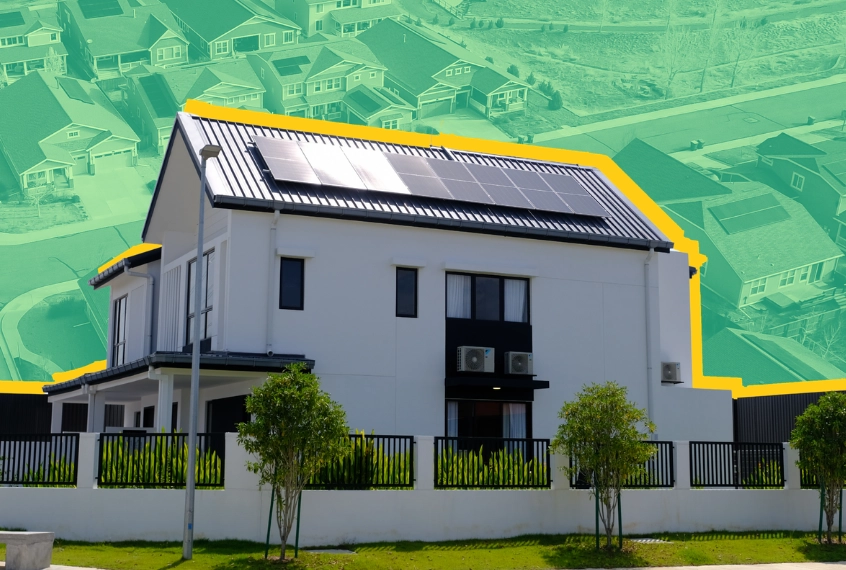
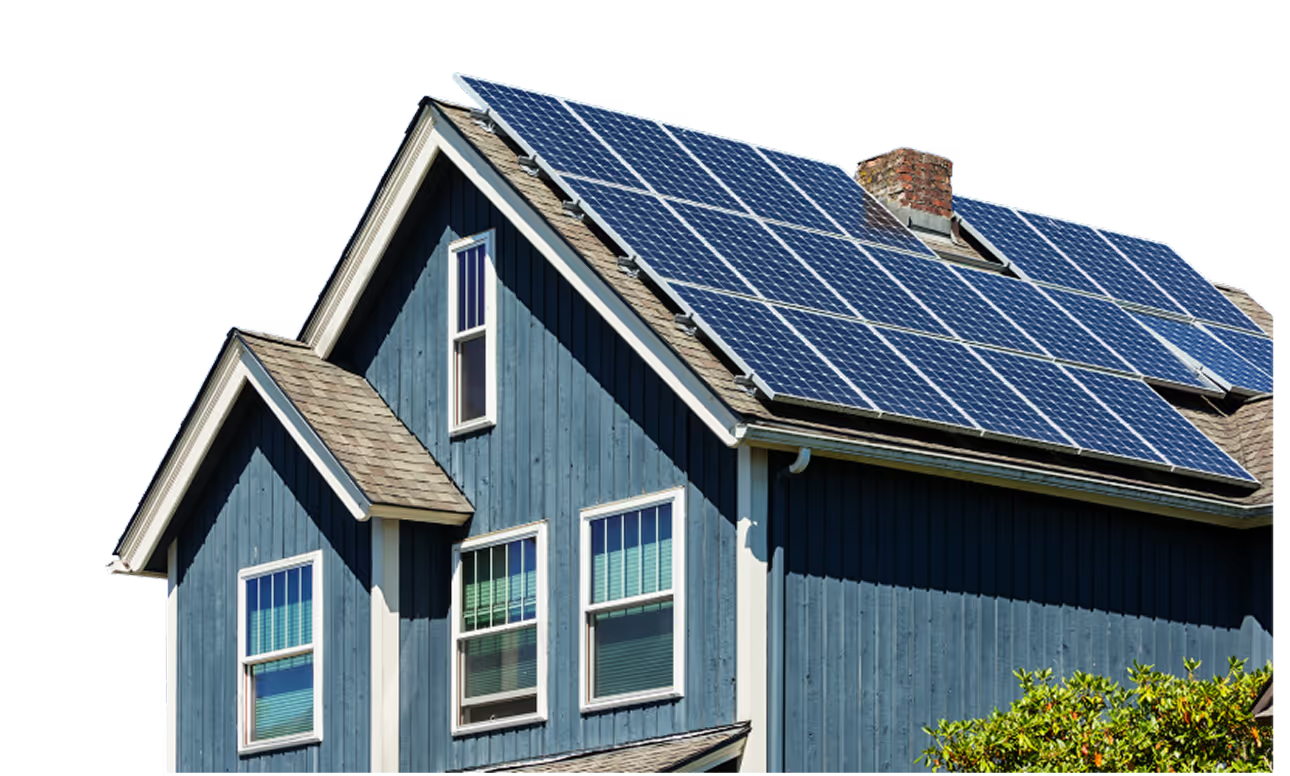
3. Consider Rooftop SolarThe most effective way to reduce AFA exposure in 2026 is through solar energy. By generating your own power, you reduce the number of units purchased from TNB, shrinking the base to which AFA and all other tariff components are applied. With the conflict showing no signs of quick resolution, locking in your solar systems now protects you from future fuel price volatility.
It is also worth noting that solar panel prices in Malaysia are set to rise by 15% in April 2026 due to new import duties. If you have been sitting on the fence, this is your last chance to lock in current solar pricing.
Solar Energy: The Most Effective Hedge Against Fossil Fuel Price Volatility
When your home generates its own electricity from sunlight, those units cost you nothing beyond your initial investment. Unlike fossil fuels, sunlight is free, its price never appears on a commodity exchange and it is entirely unaffected by Middle Eastern conflict.
This is the gap that GetSolar addresses. As a leading solar provided in Malaysia, GetSolar makes going solar simple, fast, and accessible with RM0 upfront. For homeowners with monthly TNB bills above RM500, a GetSolar system can reduce your electricity bill by up to 90%, replacing an unpredictable monthly grid cost with a fixed solar plan payment that does not move when fuel prices spike.
GetSolar also handles full compliance with Malaysia's current Solar ATAP programme, guiding you through the latest policies and optimising your system size for maximum savings.
Curious about how much you could actually save under Solar ATAP? We have broken it down in detail here.
Bottom Line
The Iran conflict is a vivid reminder of a vulnerability that has always existed in Malaysia's energy economy: a grid built on fossil fuels is a grid permanently exposed to the volatility of global commodity markets.
Homeowners who have already reduced their dependence on the grid are best positioned to handle any energy price shock that follows. Rooftop solar is the most direct and durable way to get there.
If you have been thinking about solar, the case has never been clearer. Visit our solar calculator to get a free estimate, or speak with one of our advisors to find out exactly how much you could be saving.
The sun rises every day over Malaysia. It is time to put it to work.

Rent-to-Own Solar. RM0 Upfront cost. Guaranteed Savings
Immediate ROI


Rent-to-Own Solar. RM0 Upfront cost. Guaranteed Savings
(10-Year RTO plan)
+ 10-Year Free Maintenance

Be part of The Solar Collective, where we share the latest updates, tips, and discussions on solar energy.