%20US%20Blockade%20of%20the%20Strait%20of%20Hormuz%20to%20Raise%20Electricity%20Tariffs%20Even%20More.webp)
Key Takeaway:
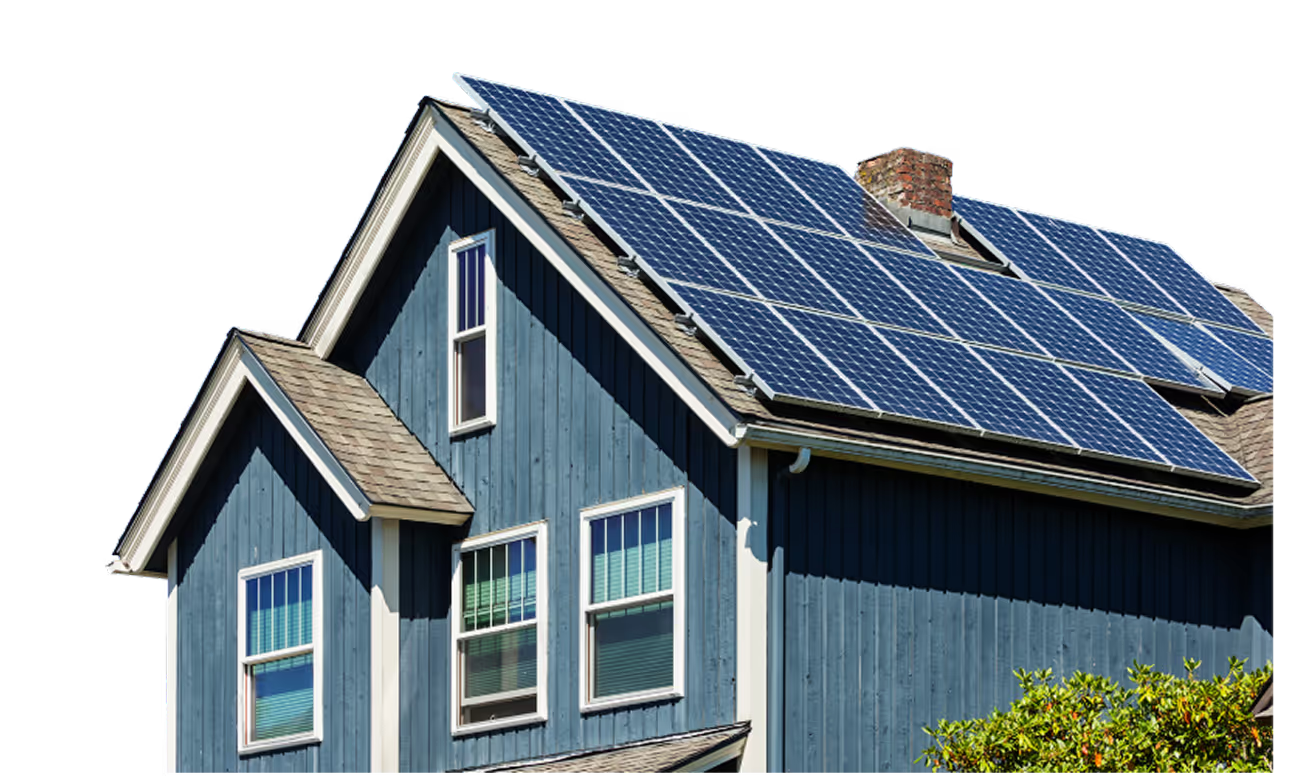
The US naval blockade of Iranian ports has constrained LNG flows out of the Persian Gulf at a time when Singapore generates 95% of its electricity from imported natural gas. Q2 2026 tariffs have already risen 2.1% to 27.27 cents/kWh , and EMA has explicitly warned that Q3 will reflect the conflict much more sharply. Landed homeowners face the highest absolute exposure and rooftop solar is the most direct way to reduce it.
What Just Happened at the Strait of Hormuz
On 14 April 2026, the US Navy's blockade of Iranian ports went fully into effect. A day later, US Central Command confirmed it had completely halted Iran's seaborne economic trade.
For Singapore, that announcement is a tariff story. About 95% of the country's electricity is generated from imported natural gas. When LNG prices move, your SP Group bill moves with them on a one-quarter lag.
The increase you saw in April is the smaller one. Q3 is where the full impact lands and you still have time to act before it does.
How the Strait of Hormuz Affects Global LNG Supply
The Strait of Hormuz carries roughly 20% of global seaborne oil and 20% of global LNG trade. Before the conflict, around 20 million barrels of oil per day transited this passage.
Since the blockade took effect on 14 April, that flow has collapsed. US Central Command reported only eight vessels transited the strait in the first full day of enforcement. Iran declared the strait closed on 18 April in response.
The affected volume includes LNG shipments from Qatar, the world's largest LNG exporter and a major supplier to Asian import markets.
Why Singapore Is Particularly Exposed
About 95% of Singapore's electricity is generated from imported natural gas, sourced from Malaysia, Indonesia, and Qatar.
EMA sets the regulated electricity tariff every three months, based on the average fuel cost in the first 2.5 months of the preceding quarter. That means:
Source: Energy Market Authority, 31 March 2026
Every month the blockade persists, the cost is piled onto a future quarter's bill. The tariff structure doesn't absorb shocks it passes them on, with a delay.
Q2 Delivered the Highest Single-Quarter Rise Since 2023
SP Group raised household electricity tariffs by 2.1% for April to June 2026, bringing the regulated rate to 27.27 cents/kWh (before GST), making it the largest single-quarter increase since Q4 2023.
The USEP (the real-time wholesale electricity price) hit S$169.23/MWh in the week of 22–28 March, the highest level of 2026 and the result of five consecutive weeks of increases.
That Q2 rise was calculated using fuel prices from before the blockade fully took effect. Q3 is priced on what's happening right now.
Q3 Is Where the Full Shock Lands
EMA has been unusually direct. In its 31 March statement, the regulator said Singapore is "likely to see further and potentially sharper increases in the electricity and town gas tariffs" in coming quarters, and advised consumers to be prepared for higher and more volatile energy costs.
Rystad Energy's David Chew told The Straits Times the next tariff "will likely fully reflect the conflict cost, given that the conflict does not look like there's a definitive end coming."
The Q3 2026 tariff, effectiveJuly onward, will be calculated using April to mid-June fuel prices, the exact window in which the full blockade impact is now working its way through LNG spot markets.
Retail Contracts Aren't a Permanent Safeguard
About 36% of Singaporean households buy electricity through open-market retailers. Fixed-price contracts offer short-term protection, but that protection ends on renewal.
EMA has explicitly flagged this directly: "Some consumers may see an increase in electricity prices at the point of retail contract renewal, if fuel costs remain elevated at that point."
If your retail contract renews in H2 2026, the renewal quote will reflect Q3 wholesale conditions.
Landed Homes Carry the Highest Grid Exposure
Larger floor areas, more air-conditioning load, and higher baseline consumption mean landed homeowners face the greatest absolute tariff impact in Singapore.
The tariff is the floor for every kWh you draw from the grid. No retail discount can outrun a sustained fuel-price shock.
Solar Removes Your Exposure To Global Price Swings
Every kWh your roof generates is a kWh you don't buy from the grid which means you're no longer paying whatever the Strait of Hormuz decides that unit is worth.
A well-sized system on a Singapore landed home typically offsets 60% to 90% of monthly consumption. A 10% tariff rise in Q3 makes every solar kWh 10% more valuable, without you doing anything.
What To Do Before the Q3 Tariff Announcement
The Q3 2026 tariff announcement is expected in late June, about two months away.
Every month you stay on 100% grid-supplied electricity, you absorb 100% of whatever Hormuz does to global LNG prices. Solar doesn't fix that retroactively, but it does cap your exposure to price shocks from the moment it's installed.
Use our free Solar Calculator for a personalised estimate, or WhatsApp our team for a no-obligation assessment.

Rent-to-Own Solar for Business with Guaranteed Performance
Immediate ROI


Rent-to-Own Solar. $0 Upfront cost. Guaranteed Savings
(10-Year RTO plan)
+ 10-Year Free Maintenance

Be part of The Solar Collective, where we share the latest updates, tips, and discussions on solar energy.


.avif)
.avif)