
Key Takeaway:
SP Group raised household electricity tariffs 2.1% for April–June 2026, bringing the rate to 27.27 cents/kWh. Rising natural gas costs driven by the Middle East conflict are the primary cause.
If you haven't opened your electricity bill this quarter, now's the time as SP Group has just raised household tariffs by 2.1%, the largest single-quarter jump since Q4 2023, and the regulator has already warned that worse is coming. The new regulated rate sits at 27.27 cents/kWh (before GST),up from 26.71 cents the previous quarter. For the average four-room HDB flat, that adds roughly S$21.60 to your annual electricity bill before GST and with EMA warning of sharper increases ahead, that figure will compound with each passing quarter.
The Energy Market Authority (EMA) stated plainly that Q2 2026 tariffs only partially capture the recent spike in natural gas prices, because prices only started climbing sharply after 28 February. The next quarterly revision will reflect the full impact.
Why Your Electricity Bill Went Up
Singapore generates around 95% of its electricity from imported natural gas. SP Group sets tariffs quarterly based on average fuel prices from the preceding period. When natural gas prices rise, the regulated tariff reactively follows.
For Q2 2026, the tariff reflects fuel costs from January to mid-March 2026. Natural gas prices began surging after 28 February, driven by escalating conflict in the Middle East and disruptions to oil and gas supply chains.
The weekly Uniform Singapore Energy Price (USEP) hit its highest 2026 level in the week of 22–28 March at S$169.23 per megawatt hour, marking five consecutive weeks of increases.
EMA's Warning: Sharper Increases Ahead
In EMA’s 31 March statement, the regulator said Singapore is "likely to see further and potentially sharper increases in the electricity and town gas tariffs" in the coming quarters. It cited the duration and escalation of the Middle East conflict as the key variable driving sustained price pressure.
EMA advised both households and businesses to "be prepared for higher and more volatile energy costs" and urged consumers to reduce consumption where possible.
The Compounding Problem With Grid Dependency
Every quarter your household draws 100% of its electricity from the grid, you absorb 100% of every tariff movement. There's no floor. No mechanism to protect yourself — other than reducing consumption (which has real limits) or switching to an Open Electricity Market (OEM) retailer (which still tracks SP Group rates, just at a slight discount).
The deeper issue is structural. Singapore's electricity price is tied to global natural gas, which is tied to oil prices and geopolitics. Neither is going away. Carbon taxes compound the picture further: Singapore's carbon levy rises from S$25/tonne in 2024 to S$45/tonne in 2026, and S$50–80/tonne by 2030 — each step feeding directly into the cost of electricity generation, adding a domestic price floor that rises independently of gas markets.
How Solar Changes the Calculation
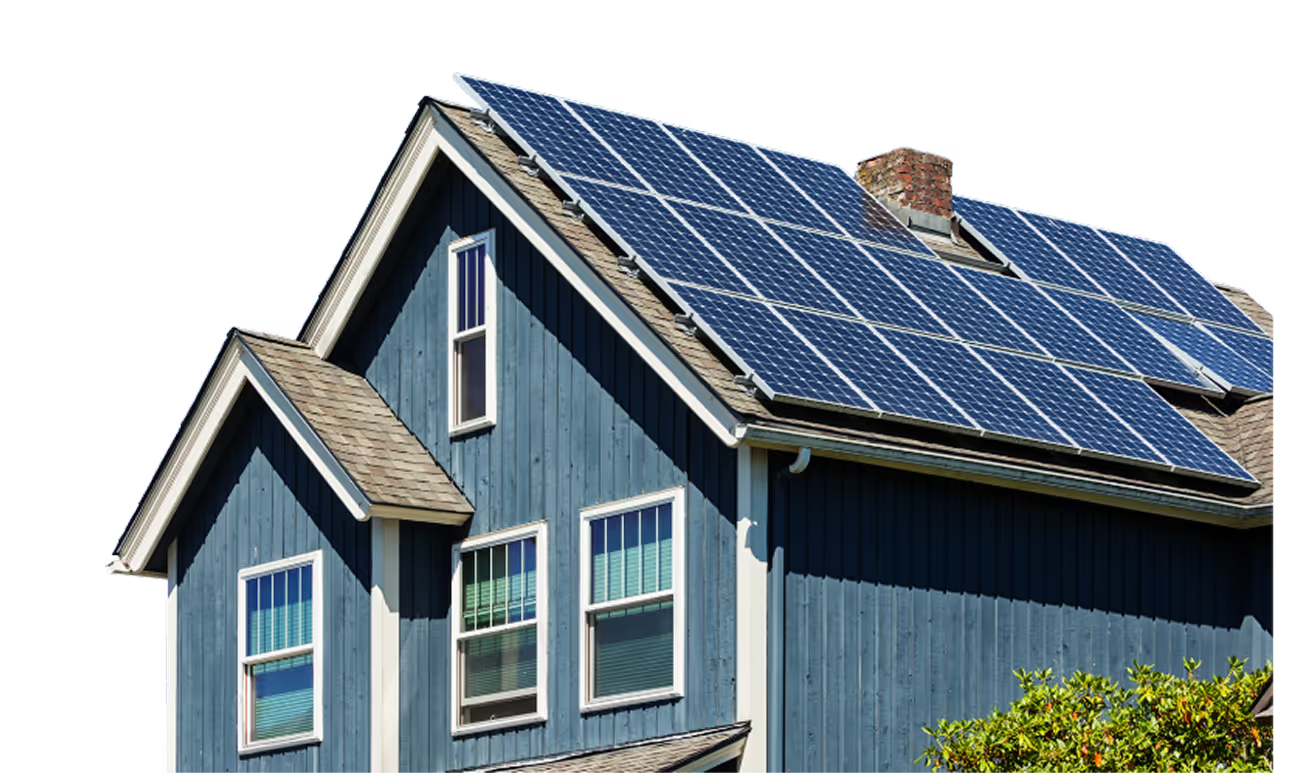
Solar panels reduce the amount of electricity you draw from the grid. Every kWh your system generates is a kWh you don't buy at the rising regulated tariff.
As tariffs rise, your solar savings rise automatically. If your system offsets 800 kWh per month and the tariff climbs from 27.27 to 30 cents, the value of those 800 kWh increases proportionally.
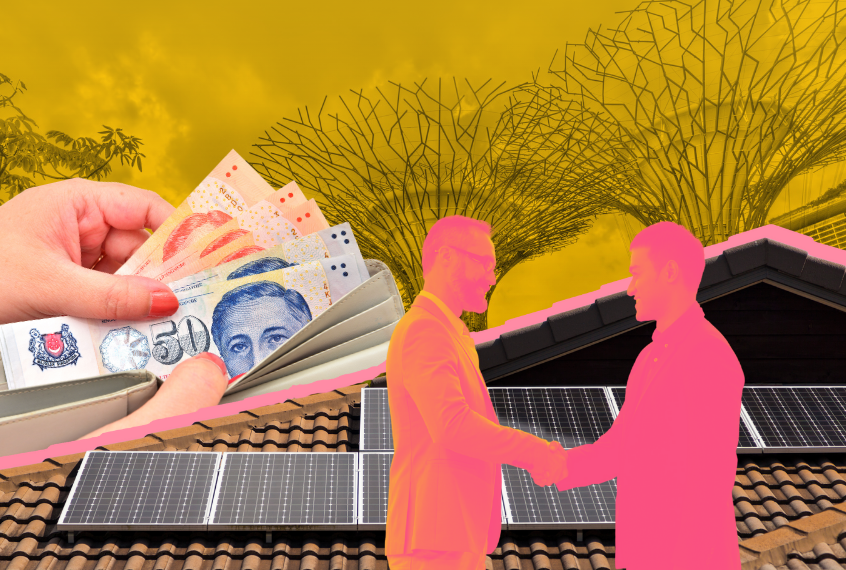
Under GetSolar's Rent-to-Own plan, homeowners simply pay a fixed monthly fee over 5 or 10 years, with all installation, monitoring, and maintenance handled. In many cases, monthly savings on your electricity bill exceed the structured payment from day one.
For homeowners who want to understand their numbers before committing, our Solar Calculator gives a personalised estimate in under a minute.
And for those already generating surplus solar power, Singapore's SCT sell-back scheme credits your SP Group bill at the quarterly tariff rate, meaning higher tariffs also mean higher export credits.
What's The Next Move With Solar?
SP Group's Q2 2026 tariff increase is not a one-off adjustment. EMA has stated directly that more is coming, and structural drivers (natural gas dependency, geopolitical volatility, rising carbon taxes) don’t appear to be resolving in the short term.
Switching retailers cushions the blow slightly. But neither breaks the link between your electricity bill and global energy markets.
Solar does.
If you're spending over S$150 a month on electricity and own your property, use our Solar Calculator to see exactly how much you'd save or WhatsApp our team to talk through your options.

Rent-to-Own Solar for Business with Guaranteed Performance
Immediate ROI


Rent-to-Own Solar. $0 Upfront cost. Guaranteed Savings
(10-Year RTO plan)
+ 10-Year Free Maintenance

Be part of The Solar Collective, where we share the latest updates, tips, and discussions on solar energy.

.png)